
Transmission and Distribution Power Line Consulting Services
The Importance of Electricity to Society
Electricity is the foundational resource that powers modern civilization. It drives nearly every aspect of daily life—from lighting, heating, and communication to transportation, health care, commerce, and public safety. Reliable access to electric power enables economic growth, technological innovation, and social stability. Without it, essential services such as hospitals, water systems, emergency response, and digital communications cannot function.
Electricity also supports critical infrastructure, including transportation networks, manufacturing, data centers, and national defense systems. As society becomes more electrified—through renewable energy, electric vehicles, and advanced digital systems—the demand for safe, reliable, and resilient electric grids continues to grow.
In short, electricity is not merely a convenience; it is a fundamental pillar of public health, economic productivity, and overall quality of life. A stable, well-maintained electrical system is essential for societal wellbeing and is one of the most important achievements of modern engineering.
Utility Safety Pro
Utility Safety Pro delivers expert consulting, custom training, procedure development, investigations, and expert-witness services for the T&D electric utility industry. We help utilities and contractors improve safety, quality, and compliance for line workers, foremen, supervisors, and operations teams. Real world application of OSHA, NESC, High voltage safety work methods, overhead and underground systems.
The Importance of Transmission & Distribution Qualified Electrical Workers
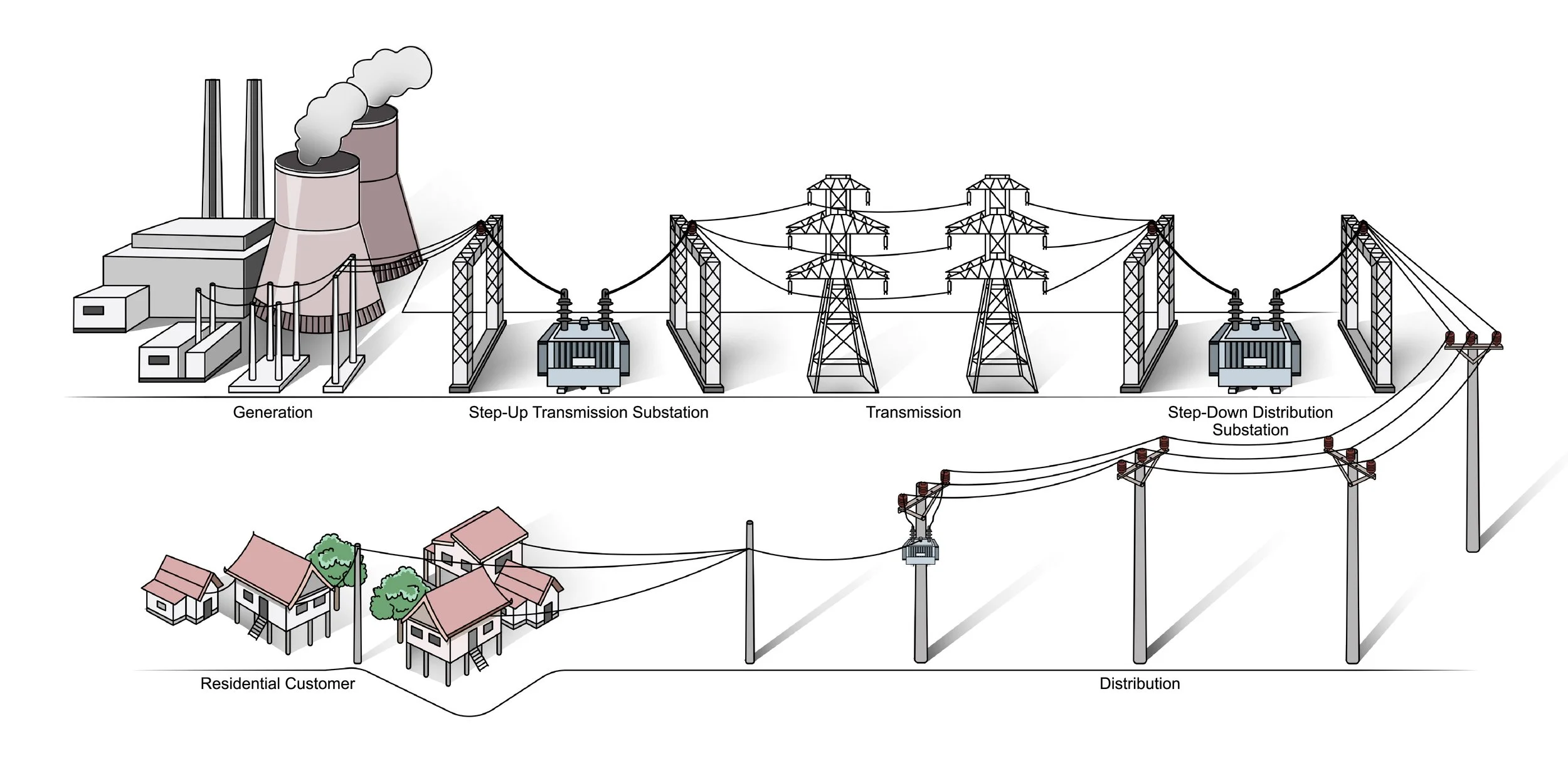
Transmission and Distribution (T&D) Qualified Electrical Workers are the backbone of the modern power grid. Their knowledge, skill, and decision-making directly determine the reliability, safety, and continuity of electric service that society depends on every second of the day. These workers perform highly technical tasks—often in energized environments, at elevated heights, in extreme weather, and under strict regulatory requirements—to ensure that power continues to flow safely from generation sources to homes, hospitals, data centers, and critical infrastructure.
Qualified Electrical Workers maintain and operate substations, transmission lines, distribution circuits, and protective devices with precision and discipline. They interpret system diagrams, identify hazards, apply proper Minimum Approach Distances (MAD), execute switching orders, install personal protective grounding, and respond to outages with speed and competence. Their training and qualifications enable them to understand the unique hazards of high voltage, perform energized work when necessary, and follow standards such as OSHA 1910.269, NFPA 70E, IEEE 516, NESC, ASTM, and ANSI.
During storms, wildfires, equipment failures, and emergencies, T&D crews are among the first responders—restoring essential service, stabilizing grid conditions, and protecting life and property. Their work not only keeps the lights on but also supports economic stability, public safety, national security, and the overall resilience of the electric-utility infrastructure.
In short, the reliability of the power system depends on the expertise, professionalism, and safety culture of qualified lineworkers. Without them, the grid would fail, communities would be vulnerable, and modern life as we know it would be impossible.